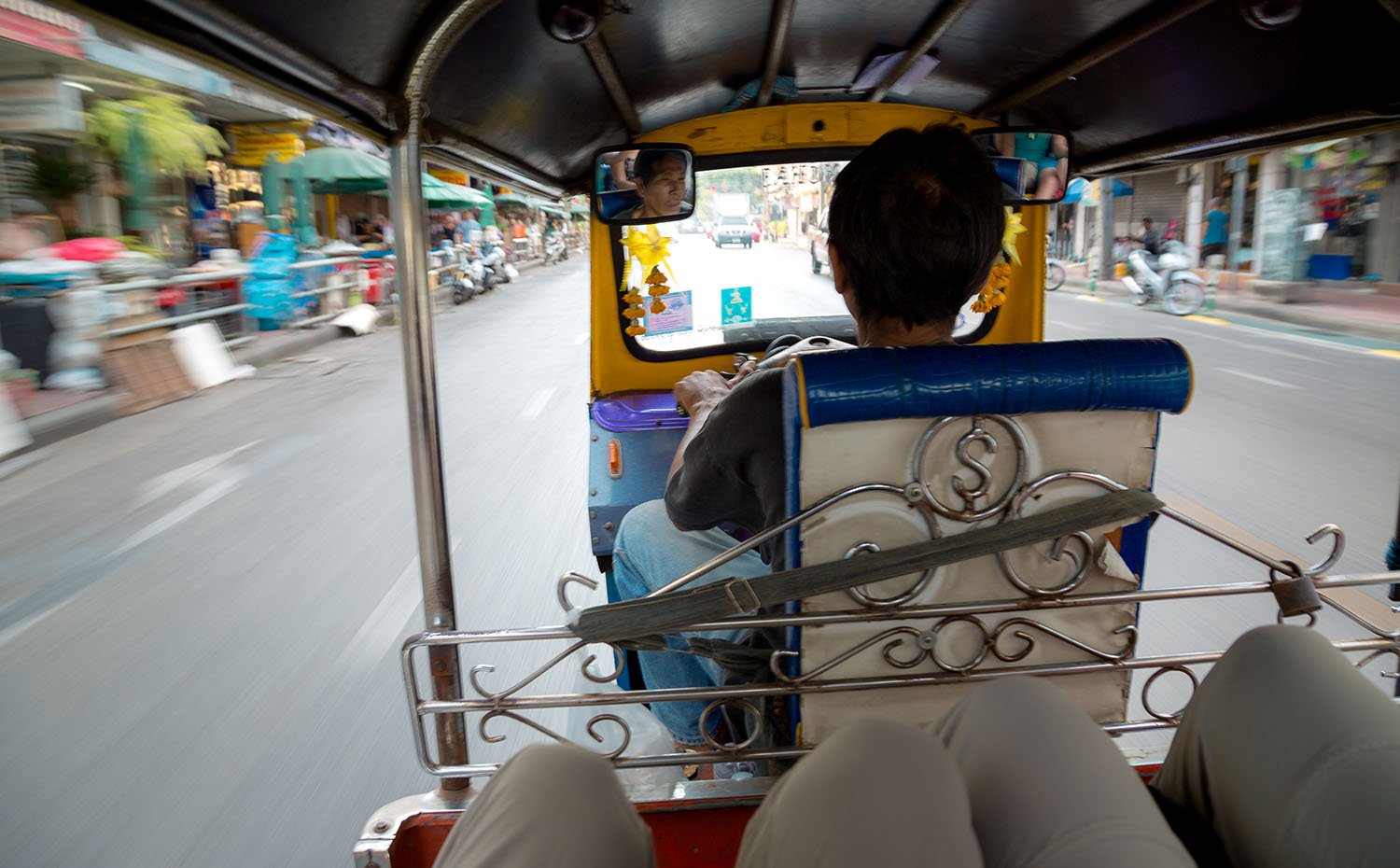

Electric rickshaws have gained significant popularity in India in recent years due to their low cost, convenience, and eco-friendliness. E-rickshaws have become a crucial part of the transportation infrastructure in many Indian cities, providing last-mile connectivity to commuters. However, the lack of proper infrastructure has been a significant challenge for the widespread adoption of e-rickshaws in the country. Sodyco is here to enlighten you on the same.
Sodyco is an e-rickshaw company located in West Bengal that provides eco-friendly, battery-operated business vehicles.
Here are some of the challenges of E-Rickshaw Infrastructure in India:-
- Lack of Charging Stations
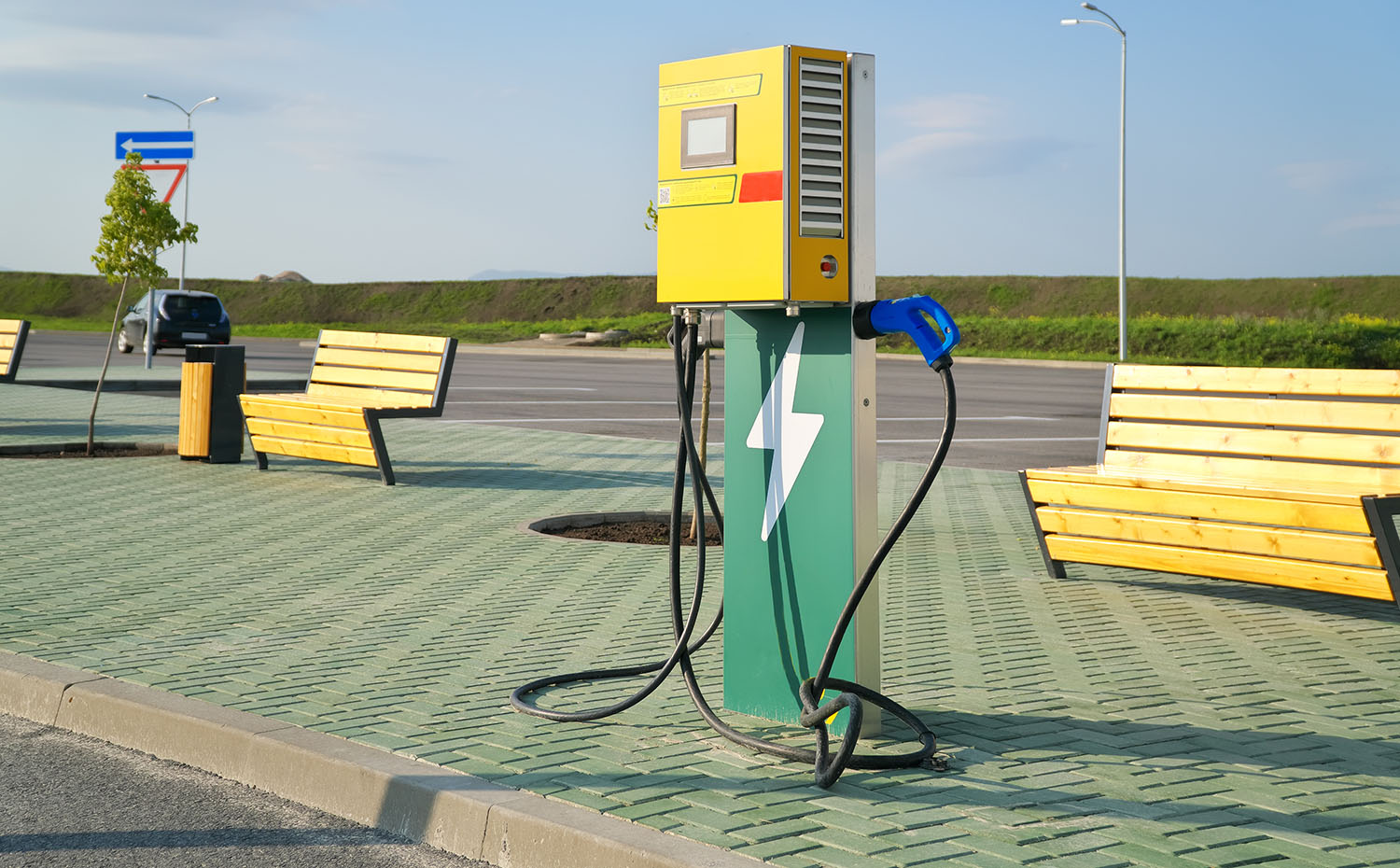
One of the most significant challenges for e-rickshaw infrastructure is the lack of charging stations. E-rickshaws rely on electricity as their primary source of power, and without adequate charging infrastructure, drivers often face difficulties in recharging their vehicles. While the government has taken some steps to address this issue by setting up charging stations in some cities, more needs to be done to make charging infrastructure more widely available and accessible.
- Lack of Proper Parking Facilities
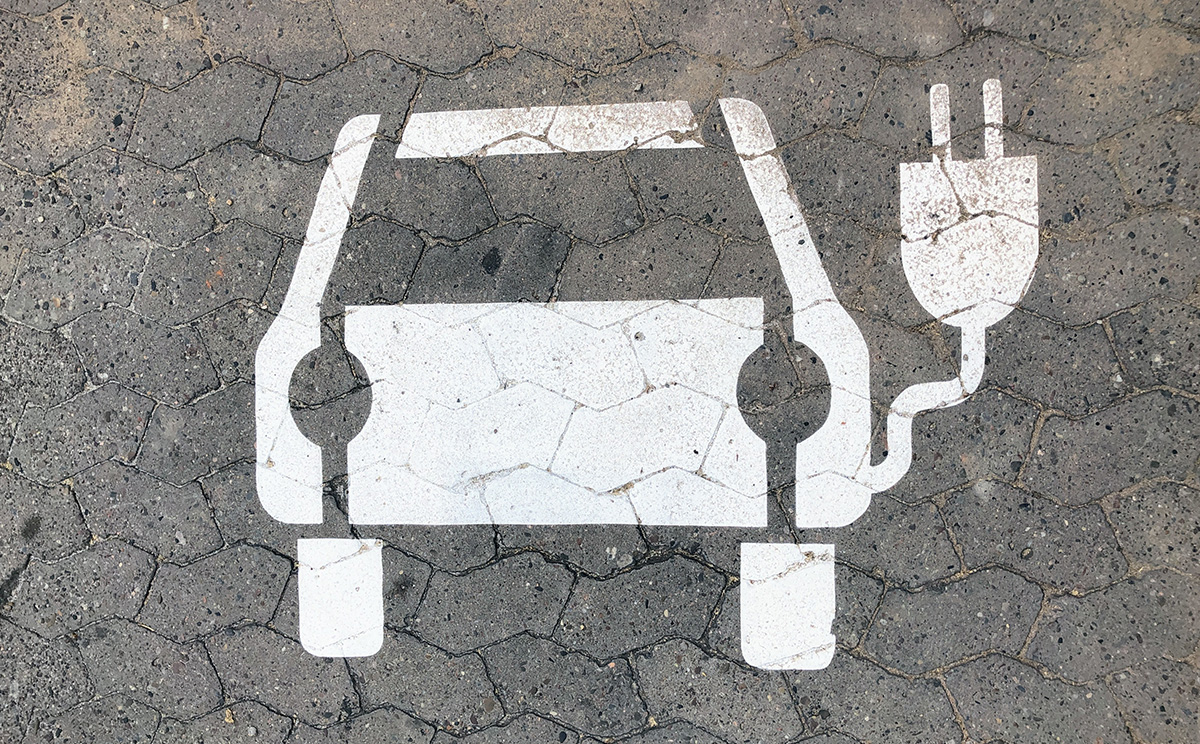
Another challenge for e-rickshaw infrastructure is the lack of proper parking facilities. Many cities in India lack designated parking areas for e-rickshaws, leading to congestion and inconvenience for both drivers and passengers. The government needs to work with local authorities and stakeholders to develop proper parking infrastructure for e-rickshaws, including designated parking areas and charging stations.
- Maintenance
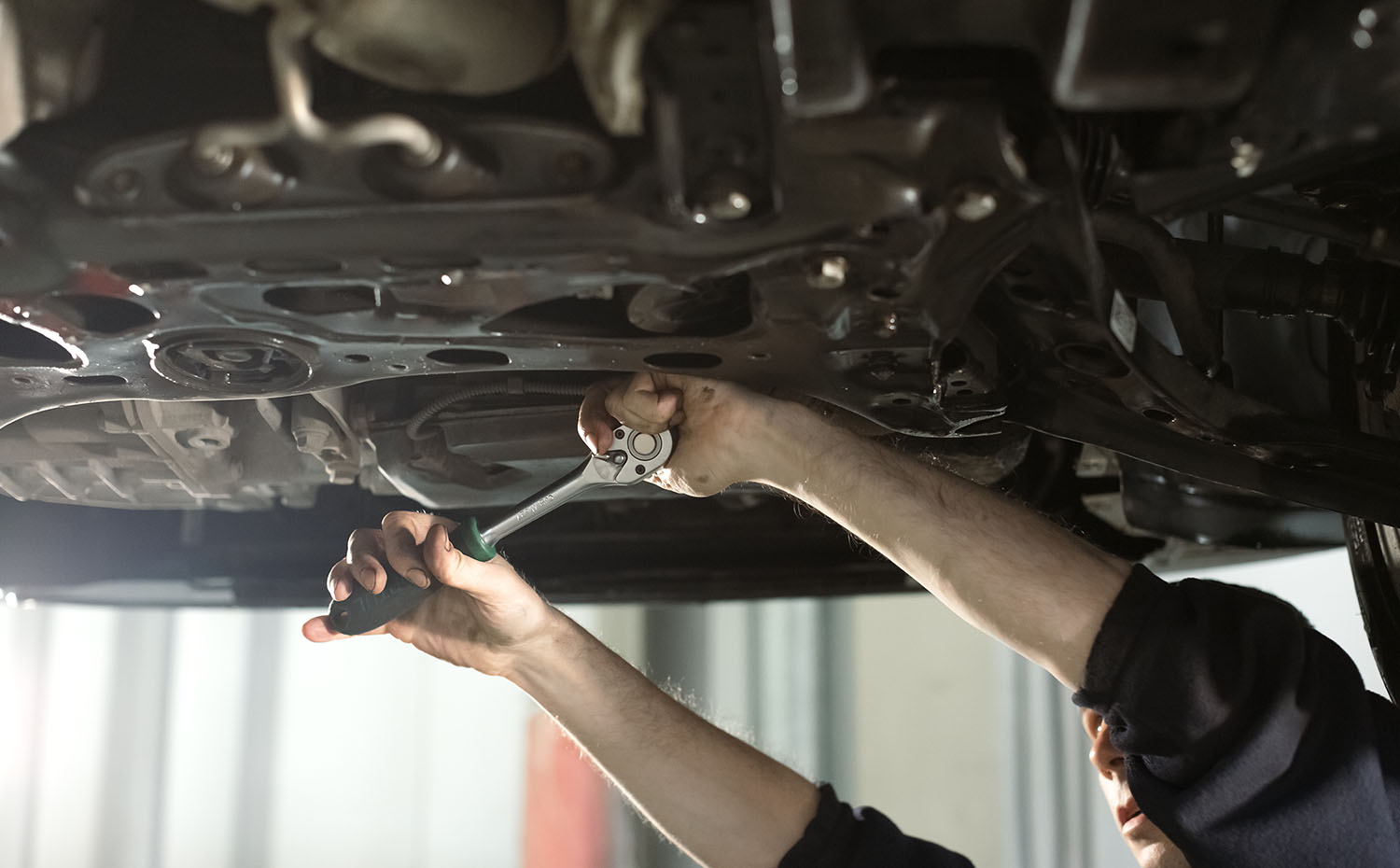
In addition to charging and parking infrastructure, e-rickshaws also need proper maintenance and repair facilities. Many e-rickshaw drivers lack the knowledge and resources to maintain their vehicles, which can result in breakdowns and accidents. The government and private sector can work together to develop training programs for e-rickshaw drivers to teach them how to maintain their vehicles, as well as provide them with access to repair facilities.
- Need for Better Coordination
Finally, e-rickshaw infrastructure needs to be integrated into the broader transportation system in India. E-rickshaws can provide last-mile connectivity to commuters who use public transportation, such as buses and trains. However, there is a need for better coordination between e-rickshaw drivers and public transportation authorities to ensure that e-rickshaws are integrated seamlessly into the transportation network.
Conclusion
In conclusion, e-rickshaws have the potential to revolutionize transportation in India, but the lack of proper infrastructure is a significant challenge. The government and private sector need to work together to develop charging and parking infrastructure, provide training for e-rickshaw drivers, and integrate e-rickshaws into the broader transportation system. With the right infrastructure in place, e-rickshaws can become a sustainable and convenient mode of transportation for millions of Indians.
For more such informative blogs on battery-operated rickshaws, click here.