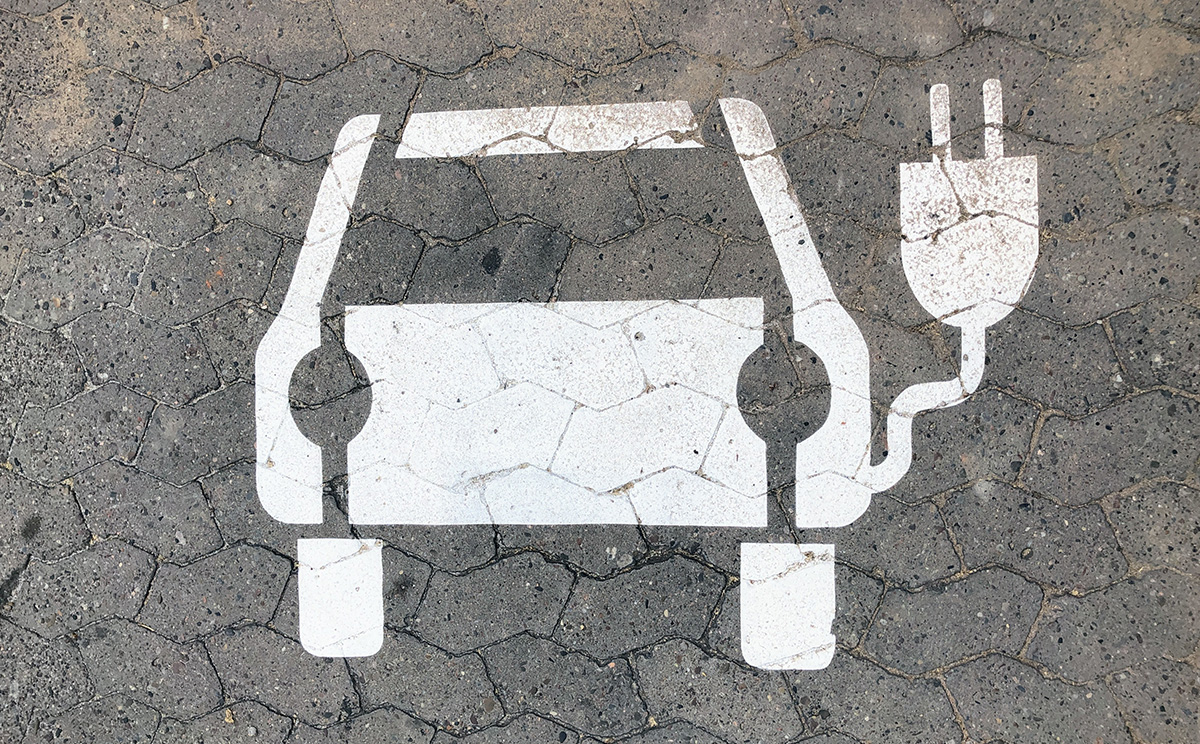

Electric rickshaws, or e-rickshaws, have become increasingly popular in recent years as an environmentally friendly and cost-effective mode of transportation. E-rickshaws have gained traction as a substitute for petrol and diesel-powered vehicles as they emit zero pollution and require significantly less maintenance. However, when purchasing an e-rickshaw, it is essential to consider not just the upfront cost but also the lifetime cost of the vehicle.
Here, we will break down the total cost of ownership and help you understand the lifetime cost of e-rickshaws.
Initial Cost:
The initial cost of purchasing an e-rickshaw varies depending on the brand and model, as well as the location of purchase. However, it is important to remember that the initial cost of the vehicle is only the beginning of the overall cost of ownership.
Battery Replacement Cost:
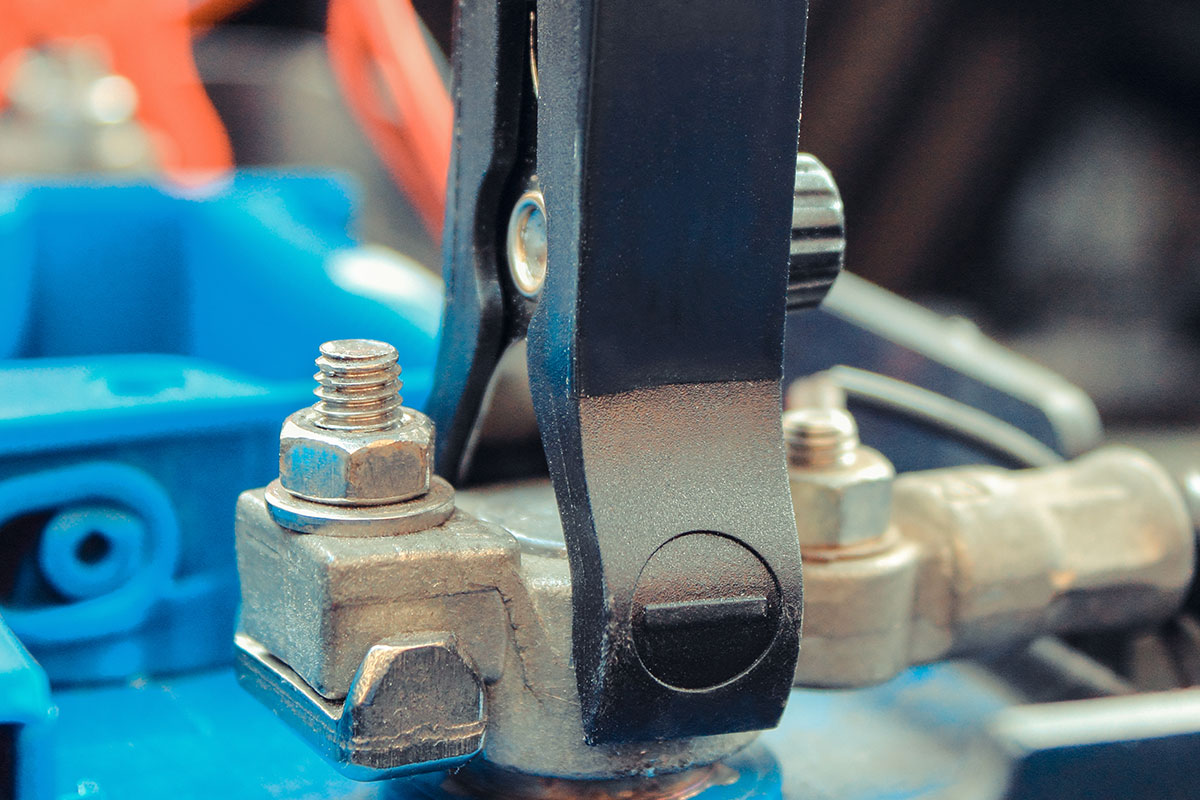
The battery is a critical component of an e-rickshaw. Although batteries come with a warranty period, they have a lifespan of about 2 to 3 years. Therefore, when considering the lifetime cost of e-rickshaws, it is crucial to take battery replacement costs into account. Replacement costs can range from 8,000 to 12,000 INR, depending on the battery type.
Operating Cost:
E-rickshaws have a significantly lower operating cost than traditional rickshaws, which run on petrol and diesel. In addition, the government of India has promoted the use of e-rickshaws by significantly lowering the cost of electricity. The average cost of operating an e-rickshaw is around 40 to 45 INR per day, which is about 1,200 INR per month.
Maintenance Cost:

E-rickshaws have significantly lower maintenance costs than petrol and diesel-powered vehicles. It is generally recommended that the vehicle undergoes routine maintenance every three months. The cost of maintenance for an e-rickshaw is typically around 500 to 1,000 INR per month, depending on the brand and model.
Depreciation Cost:
Like any other vehicle, e-rickshaws also experience depreciation over time. However, due to their reduced operating and maintenance costs, the depreciation rate of e-rickshaws is lower than that of traditional rickshaws. The depreciation rate for e-rickshaws typically ranges from 20 to 25% per year.
Resale Value:
When considering the lifetime cost of e-rickshaws, the resale value of the vehicle is an important factor to consider. The resale value of e-rickshaws varies depending on several factors, such as the age of the vehicle, the overall condition of the e-rickshaw, and demand for the model. However, due to the growing popularity of e-rickshaws, the resale value of these vehicles is expected to remain strong in the long term.
Conclusion
When considering the lifetime cost of e-rickshaws, it is essential to factor in the initial cost of the vehicle, battery replacement costs, operating costs, maintenance costs, depreciation costs, and resale value. While the initial cost of purchasing an e-rickshaw is undoubtedly higher when compared to traditional rickshaws, the overall lifetime cost of the vehicle is significantly lower. Additionally, e-rickshaws contribute towards reducing air pollution and carbon footprint, thereby ensuring a cleaner and more sustainable environment for future generations.
At Sodyco, we pride ourselves on manufacturing high-quality e-rickshaws and their spare parts at affordable prices. Our vehicles are designed to meet the diverse needs of drivers and passengers, with a focus on quality, durability, comfort, and safety. Contact us today to learn how our e-rickshaws can help you reduce your transportation costs while promoting a cleaner and greener environment.
If you liked our blog on, ‘ Understanding the Lifetime Cost of E-Rickshaws’ be sure to check out our other blogs by clicking here.