E-Rickshaws have emerged as a strong and healthy alternative for auto rickshaws and vehicles running on petrol and diesel. With more and more information on e-rickshaws available, many people still wonder what type of batteries these e-rickshaws run on. Do you wonder the same thing? If yes, then Sodyco is here to help!
Sodyco is an e-rickshaw manufacturing firm based in West Bengal. We promise a battery-operated, eco-friendly solution as a business vehicle. As a firm that has been in business for a long time, we believe in using tools and materials which are better for the environment.
Let’s learn more about batteries used in e-rickshaws!
- Lithium-Ion Battery
A lithium-Ion Battery is one of the most popular types of rechargeable battery for e-rickshaws with high open circuit voltage, low self-discharge rate, no memory effect, and a slow loss of charge when not in use. Lithium-Ion battery delivers the same amount of power throughout the cycle. These batteries charge faster than Lead Acid Batteries. Additionally, these batteries are also lighter in nature which is an important factor as they are widely used in electric vehicles such as electric scooters, rickshaws, and carts.
All ions are individually sealed. Therefore, it cannot leak. This makes the installation process easy as it can be installed in any which way without the fear of leakage.
- Lead Acid Battery
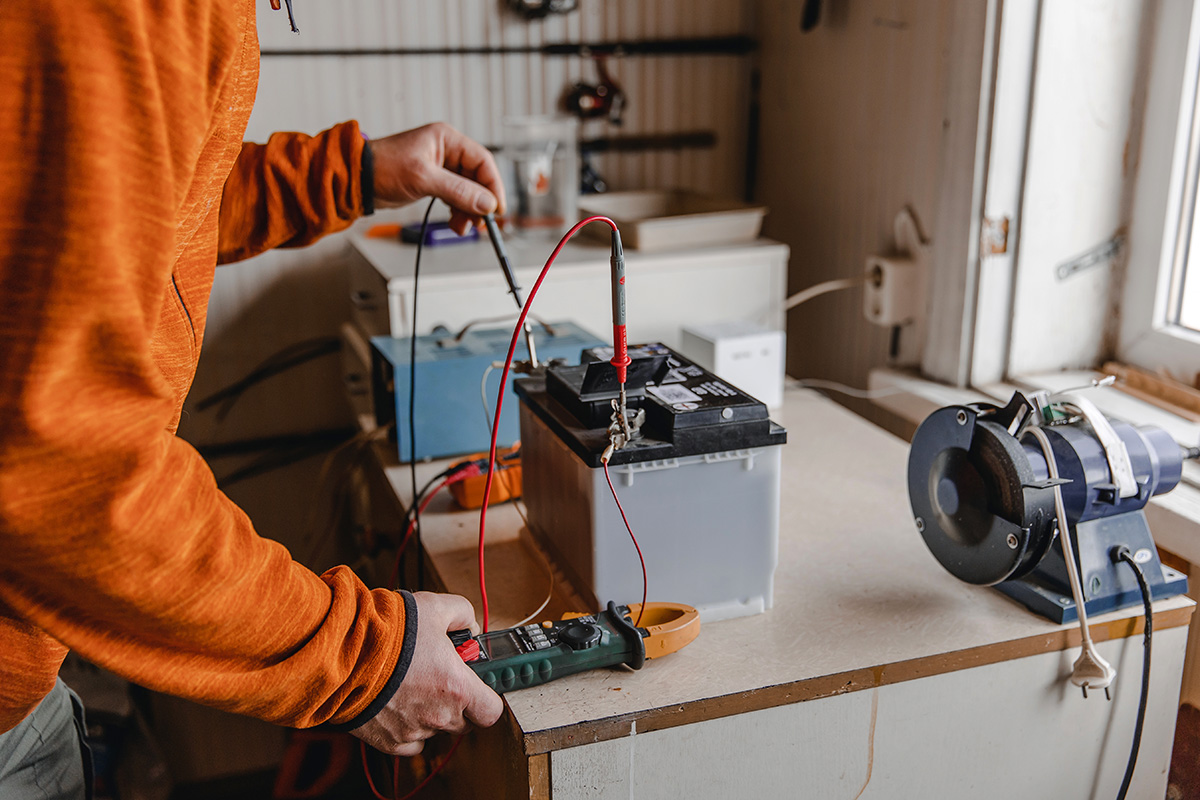
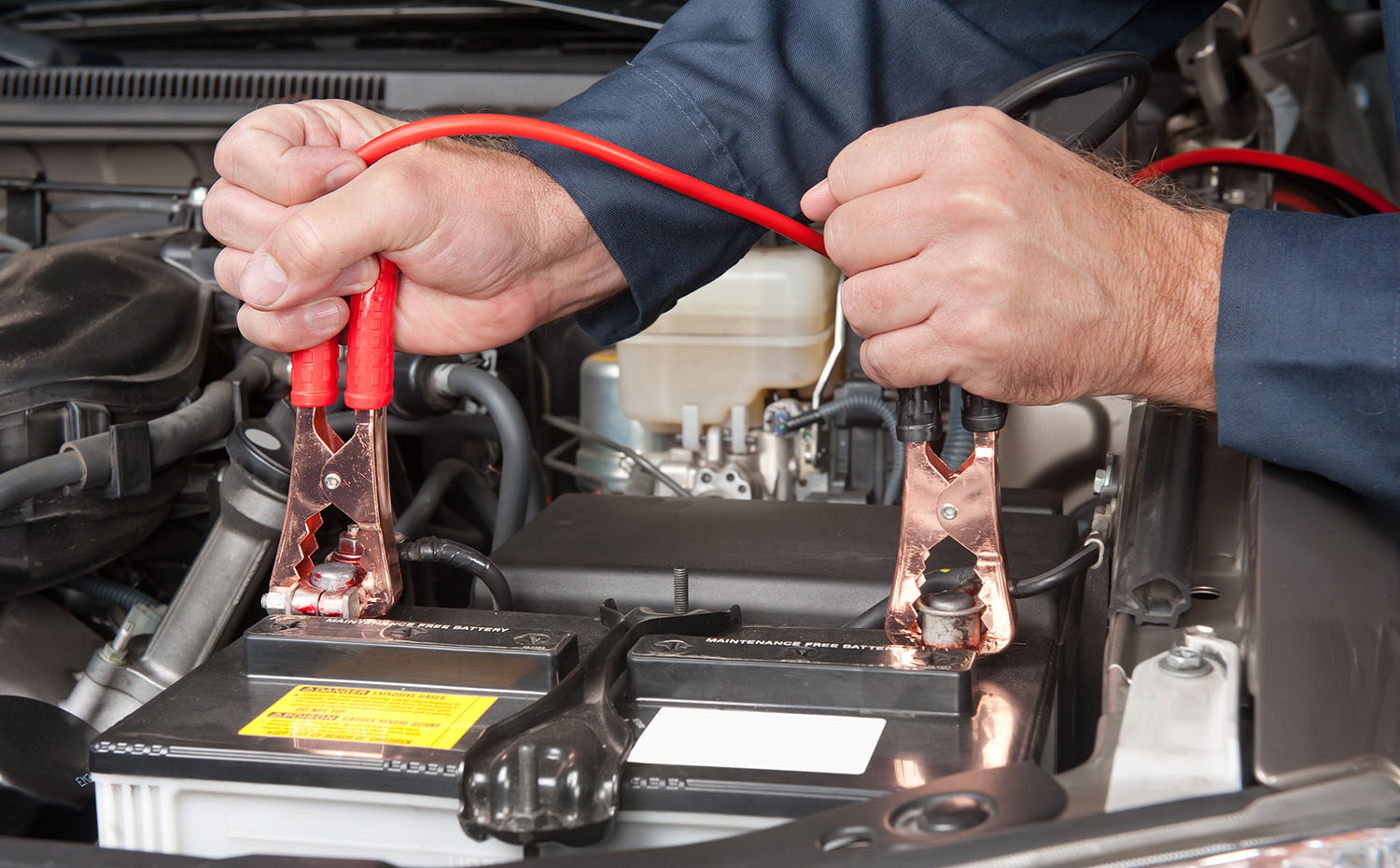
Lead Acid Battery powers a majority of Indian E-Rickshaws. They may be used in series or parallel to obtain a choice of voltage. They are readily available. They are lower in cost than alternative battery options such as Lithium Ion batteries. Their service life can range from 3-5 years. However, these may be affected by factors like temperature. The power delivery of Lead Acid Battery starts out strong and dissipates. When it comes to charging, lead acid battery charges slowly. Lead Acid Batteries are designed not to leak. Therefore, during the installation process, vents are allowed for some residual release of air.